The Rise and Fall of Armstead Montana: Tales of Ranching Families and Their Legacy

Armstead, Montana: A Ghost Town with a Rich Legacy
=====================================================
Armstead, Montana, once a lively community nestled along the Beaverhead River, holds a unique place in Montana history. You might know it as one of the many ghost towns scattered across the state, but Armstead’s story goes beyond empty buildings and silent streets. It’s a tale of ranching families who shaped the land, of a town that thrived and then disappeared beneath the waters, and of the mystery that still surrounds its legacy.

The Early Days of Armstead
Armstead began as a small settlement in the late 19th century. It was strategically located near the confluence of the Beaverhead and Big Hole Rivers. This location made it a natural hub for ranchers and farmers who settled in the region. The town grew steadily, supported by the rich grazing lands and fertile soil that attracted families looking to build a life in Montana’s rugged terrain.
The community was tightly knit. Several ranching families became pillars of the town. The Armstead family, along with the McAllister and Hargrove families, were among the earliest settlers. These families not only raised cattle and sheep but also helped establish schools, churches, and local businesses that served the growing population.
Ranching Families and Their Impact
Ranching was the backbone of Armstead’s economy. The families who lived there worked hard to tame the land and build sustainable operations. Around 1915, you would have found the Rebich family tending to their cattle, while the Barretts managed sheep herds that roamed the nearby hills. These families passed down their knowledge through generations, creating a strong ranching tradition that still influences the region today.
The ranches were more than just businesses; they were communities. Neighbors helped each other during harsh winters and shared resources during droughts. The social life of Armstead revolved around barn dances, church gatherings, and county fairs where ranchers showcased their livestock. This sense of community helped the town thrive despite the challenges of frontier life.
The Decline and Drowning of Armstead
Armstead’s fate changed dramatically in the mid-20th century. The construction of the Clark Canyon Dam in the 1960s led to the creation of Clark Canyon Reservoir, which flooded the valley where Armstead stood. This event turned Armstead into one of Montana’s drowned towns, a ghost town submerged beneath water.
The decision to build the dam was driven by the need for irrigation, flood control, and hydroelectric power. While it brought benefits to the region, it also meant the end of Armstead as a living community. Residents were forced to relocate, and the ranches that had supported the town were lost under the reservoir’s waters.
The Mystery Surrounding Armstead
Even today, Armstead holds a certain mystery for ghost town enthusiasts and Montana history buffs. The reservoir covers most of the original townsite, but during droughts, remnants of buildings and roads sometimes reappear, sparking curiosity and speculation. Stories circulate about lost artifacts and hidden family heirlooms buried beneath the water.
Local historians and descendants of the original ranching families keep the memory of Armstead alive. They share stories of the town’s heyday and the resilience of the people who lived there. This ongoing connection adds depth to the mystery, reminding you that Armstead’s legacy is not just in the past but continues through those who remember.

Visiting the Site Today
If you visit the area around Clark Canyon Reservoir, you can still feel the presence of Armstead. The landscape is peaceful, with the water reflecting the surrounding hills and sky. While you won’t find a bustling town, you can explore nearby ranches that trace their roots back to the original settlers.
For those interested in ghost towns and drowned towns, Armstead offers a unique experience. The combination of natural beauty, historical significance, and the mystery of what lies beneath the water makes it a compelling destination. Local museums and historical societies provide additional context and artifacts that help you understand the town’s place in Montana history.
Remembering Armstead’s Legacy
Armstead’s story is a reminder of how communities can rise, thrive, and sometimes disappear, leaving behind stories that capture the imagination. The ranching families who built their lives there contributed to Montana’s agricultural heritage in meaningful ways. Their legacy lives on in the land they worked and the memories preserved by their descendants.
As you explore the history of Armstead, you connect with a chapter of Montana history that blends human determination with the forces of nature. The town may be gone, but its spirit remains in the stories, the land, and the water that covers its foundations.
The Echoes of History
Armstead is more than just a ghost town. It is a testament to the resilience of those who once called it home. Each visit to the area is a journey through time. I often find myself reflecting on the lives lived here. The laughter of children playing, the hard work of ranchers, and the quiet moments shared among neighbors echo in the landscape.
The stories of Armstead remind us of our connection to the past. They invite us to ponder the lives of those who came before us. What dreams did they have? What challenges did they face? Each story adds a layer to the rich tapestry of Montana’s history.
The Legacy of the Land
The land itself tells a story. The rolling hills, the winding rivers, and the remnants of ranches all speak of a time when Armstead thrived. I can almost hear the whispers of the past in the rustling leaves and the gentle flow of the river. Nature has a way of preserving memories, even when the human presence fades.
Visiting Armstead is not just about seeing a ghost town. It’s about feeling the pulse of history beneath your feet. It’s about understanding how the land shapes our stories and how those stories shape us.
Conclusion: A Journey Worth Taking
In conclusion, Armstead, Montana, is a place of mystery and reflection. Its story is woven into the fabric of Montana’s history. As I walk the shores of Clark Canyon Reservoir, I am reminded of the lives that once flourished here. The ranching families, the community spirit, and the enduring legacy all come together in a beautiful, haunting narrative.
If you find yourself in Montana, take the time to visit Armstead. Let the stories of the past wash over you. Embrace the mystery and the beauty of this unique place. You may leave with more than just memories; you may leave with a deeper understanding of the human spirit and its connection to the land.
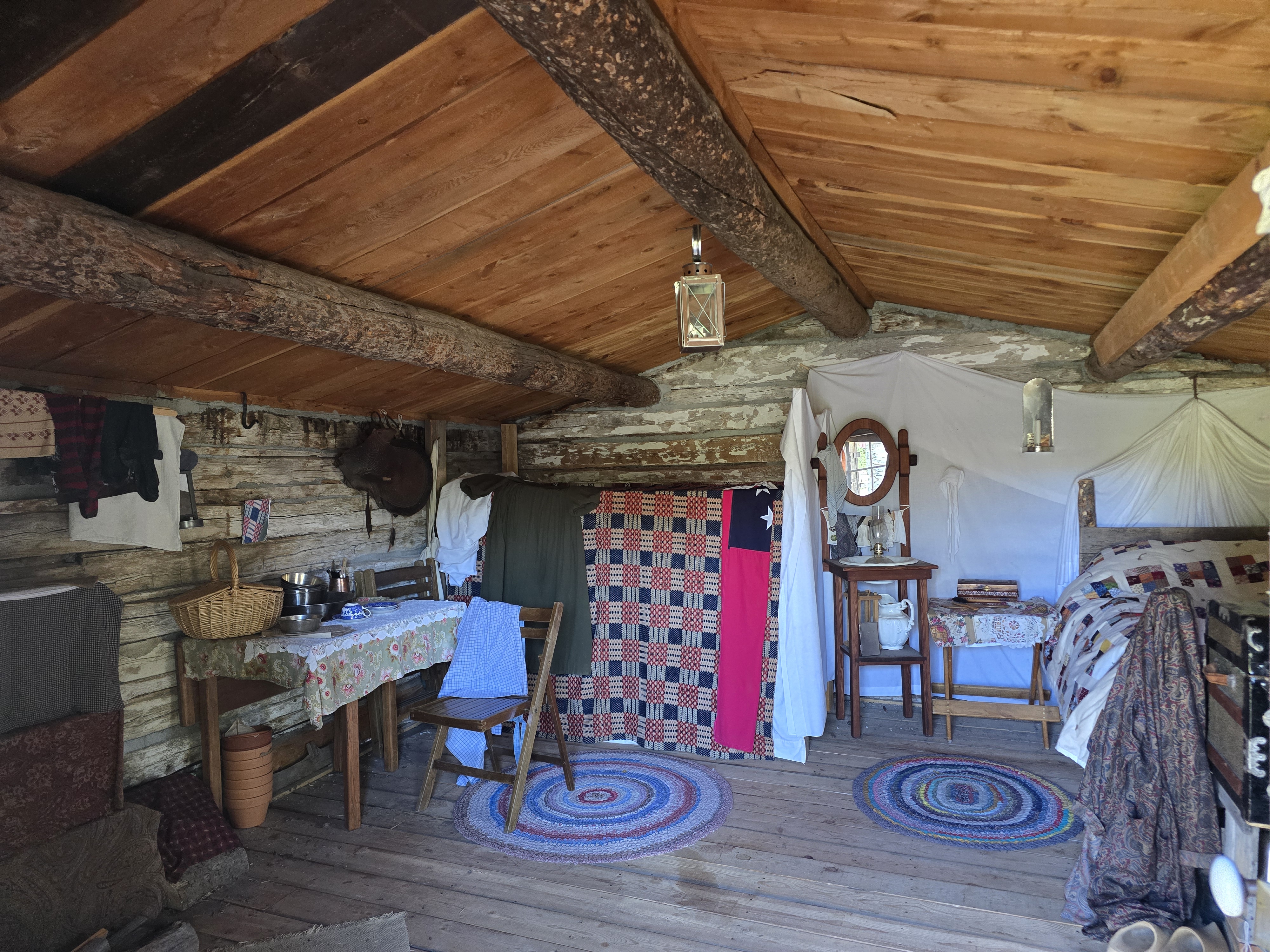
Theses photos were retrieved from the Montana State Library: Armstead, Montana | Montana History Portal

Comments